
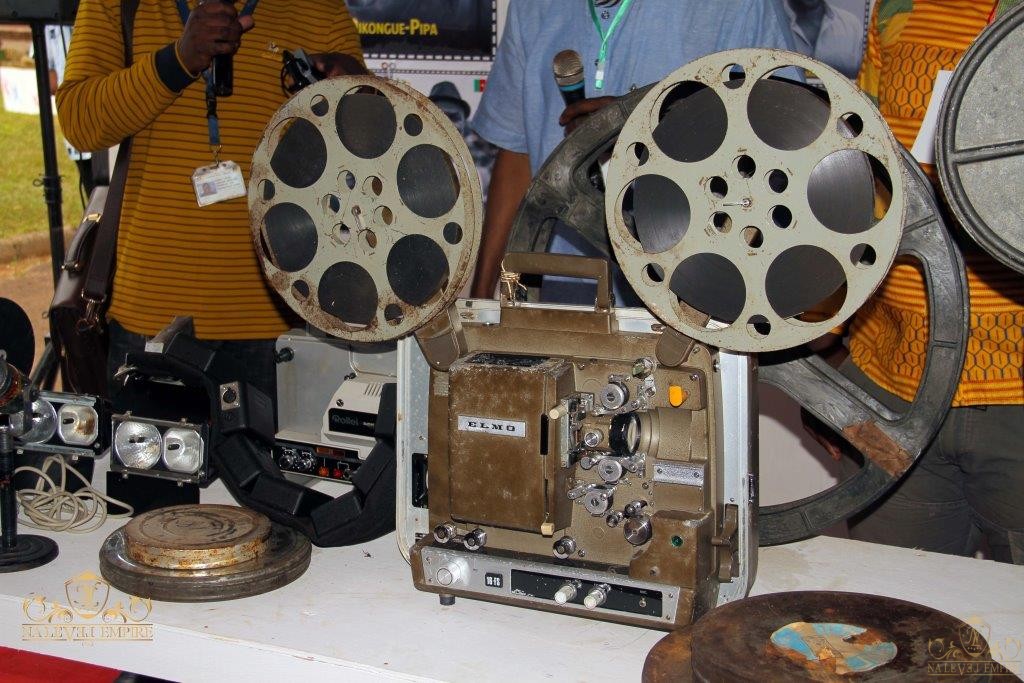
The history of the Cameroon film making dates back to 1962, two years after independence when there was no digital technology and film production was analog and very expensive, during which great Independent french filmmakers like Jean Paul Ngassa, Dikonge Pipa, Alphonse Benny and others with great actors like Gerald Essomba who formed the first generation of film makers in Cameroon made remakable strides in the national and international milieu to revive the seventh art while shooting on the very expensive and scarce film technology at that time.
This was closely followed by a second generation of filmmakers like, Sita Bella, Jean Marie Tenu, Daniel Kamwa’s pouss pouss and Dikongue Pipa’s Muna Moto feature films in 1972/1975 respectively stepped up the level of the local industry at the time with national and international recognition. Jean père Bikolo, Baseck Bakobio and a few others are the last generation of filmmakers who shot on the analog film technology and are still engaging in film productions but this time with the morden numeric video equipments which brought a major transformation in the early 90s in Africa. This generation which over laps into the digital film age are still impacting the film industry through their individual efforts to be recognise in the industry at home and abroad.

Following the continuos strides for evolution and the quest of local filmmakers to propatgate the filmmaking art with the coming of the Cameroon television (CTV) in 1985, inspired new filmmakers including English filmmakers whom through victor pungong of blessed memory in 1987 produced ‘‘Trials of passion’’ the first ever English film aired on national television with it’s second version (series) in 2004 staring vaterants like Claude Henry Ndenge, Chinepoh Corson, Yijika Solange, Yimbu Emmanuel, Njoya Grace, Chi Anthony, Tita Ernestine… most of whom got their entrance into the mainstream industry then.
Eleven years later, after many passionate filmmakers of english expression like Nfuh ebenezer, Njiforti Victor, Thomas Belton of blessed memory just to name a few continue to push ahead this filmmaking passion. The influence of the Nigerian film industry in the mid 90s also contributed greatly in the building process of the 7th arts in the west of the mungo through major co productions initiated by local film producers with Nollywood with main intention to stimulate the local productions and give the local film industry steam. Within this period local film producer/director like Thomas Beltin of blessed memmory produced and directed Heavens forbid (2000), switching heart (2002), Mission to Damunza (2003) which also starred local daring actors at the time like Moma Pascal (Bob), Fanny fungong, Mbuta Sylvie, Chatoh Collins, Lyno lovet, just to name a few.
Akonte cyril of Splash network as young as he was at the time initiated the first ever major Cameroon-Nigerian film project ‘PEACE OFFERING’ which they produced and was directed by Amayo Phillips staring Nollywood/cameroonian actors like Patience Ozukwo, Fabien Adibe Nonso Diobi, Tangie suh Nfor, Menye Patra, Cy Wanki and the list goes on. Inspired by this movie other passionate film enthausias like Agbor Gilbert Ebot and Felix Alote initiated another Cameroon/Nigerian co production same year this time with another Nigerian born producer/director Oscar Benson in the movie tittled ‘The return of Mbombo’ which featured contemporal industry faces like Vugar Samson,Nsuh George, Ngeh Gerald, Agbor Gilbert just to name a few with Nguffo Serge N. as associate producer. It is worth noting that this movie ended in a fiasco with numerous setbacks encountered in the process ; their awful experiences pushed them to brainstorm on their way back of the creation of a an ‘organ’ which could handle basic issues about actors rights and wellbeing realised a year later in 2004 today known as the National Actors Guild of Cameroon (NAGCAM) with its founding president Vugar Samson (Grand pa). It should be recalled that within this period, other local productions were also springing up in the southwest region before the big blast of Agbor Gilbert Ebot in 2005 with his maiden Cameroon/Nigerian coproduction tittled ‘’BEFORE THE SUN RISE’’ which he produced and was directed by Fred Amata staring ‘Giant’ Nollywood actors like Clarion chukwura, Olu Jacobs, Dakore and featuring local actors at the time like Ivanne Namme, Quinta Eyoung Ashu , Agbor Magdalene, Jean père Esome and lyno lovet Just to name a few.
Two years on precisely in 2006, Joe Walkie of the Joe Walkie Foundation in Kumba also produced the ‘Sacrament ‘ staring local actors at the time such as Alene Menget (recently decorated with the medal of the knight of the order of valour by the head of state alongside Quinta Eyong Ashu) and directed by a Nigerian Director since the industry hadn’t a local director who’s work could convinced local producers at the time to entrust such a huge responsibility.
It is worth aknowledging that these early efforts outstandingly stimulated the local industry as was intended by these pioneers and in 2008 after the visit of Africa’s lone movie channel at the time African Magic on the invitation of Agbor Gilbert Ebot to identify and expose local talents in the entertainment industry. It was within this period that stakeholder’s who havent had the oppotunity to converge together and talk about the envious film industry which was at its peak at the time in neghbouring Nigeria decided to come up with a structure which was non-existent that could locally or beyond, address the poor working conditions, low wages, lack of technical know how, just to name a few of the stakeholders. It was with some of these pretext that the already existing Verdant Hills of Yibain Emile Aime Chah was laid to rest for an inclusive structure to be put in place for the interest of all in the Buea meeting of 2008. Through respective conventions and assemblies from Kumba, Bamenda, Yaounde where the name Collywood was adopted and finally in Buea on the 3rd of June 2008 when the Cameroon Film Industry Collywood was initiated.
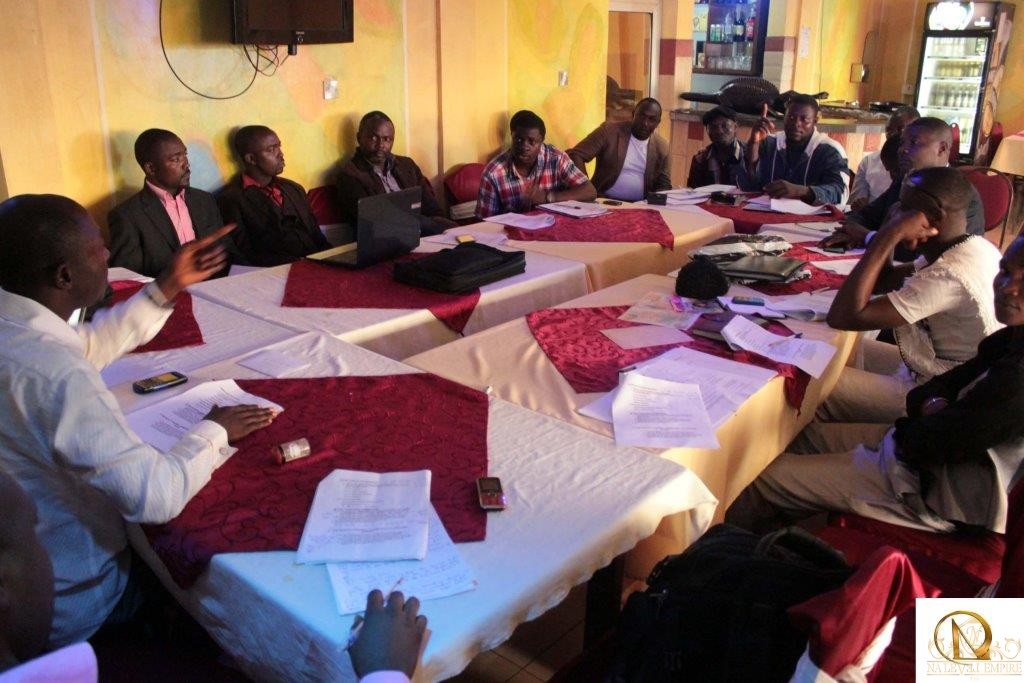
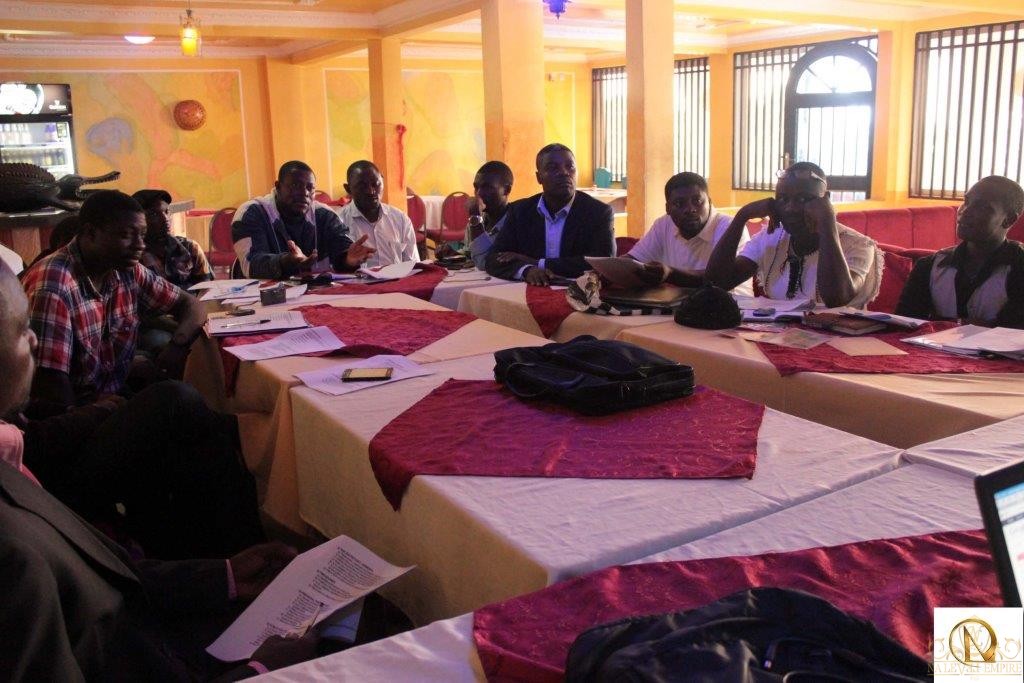
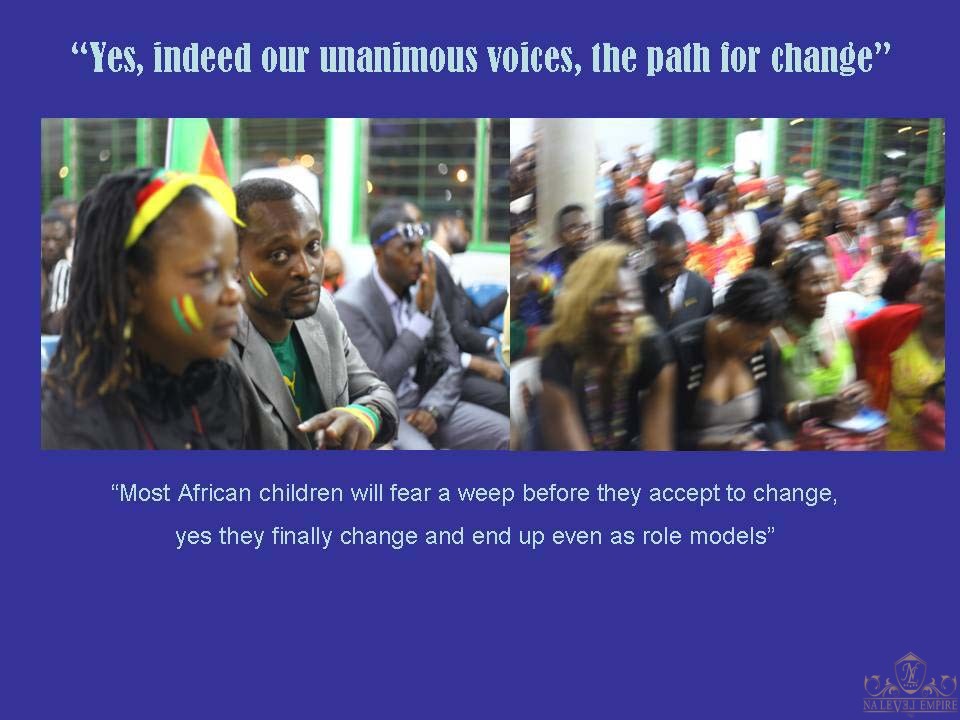
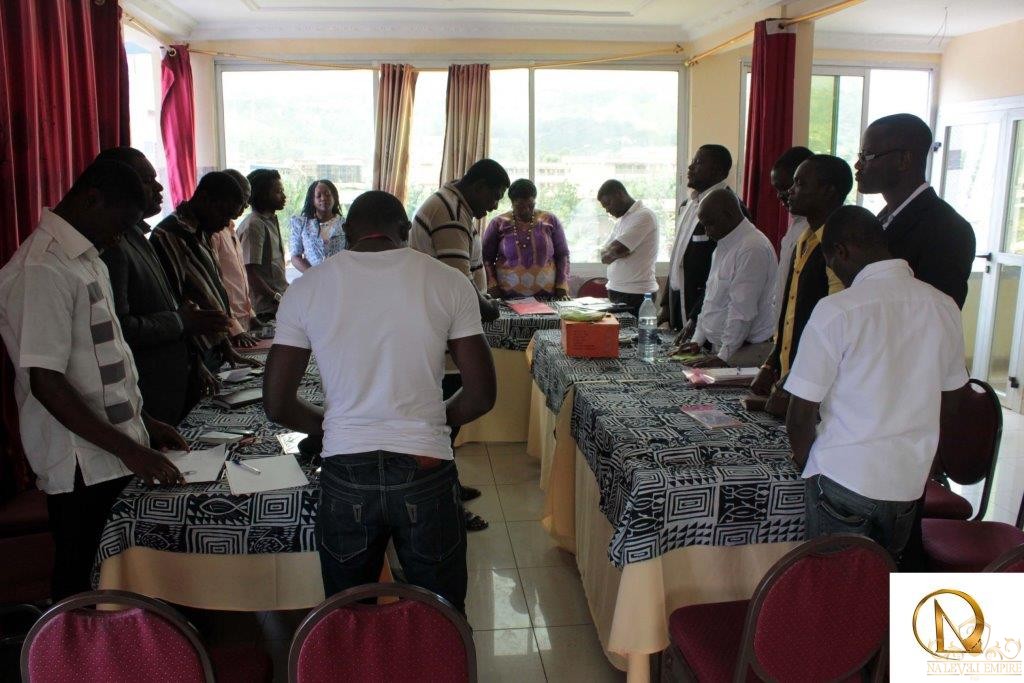
It is imperative to mension that the challenge of the creation of ‘collywood’ was the problem of the disolution of NAGCAM (National actors Guild of Cameroon) which was the only recognised structure created in 2004 to protect the stakeholders which were mostly actors to come up with a single unanimous guild . There was a solid resistance at the Bamenda convention in 2007 from the founding president Vugar Samsom who alarmed that NAGCAM was a syndicate and not an association and can’t be disolved rather other existing bodies should be incorporated to it.
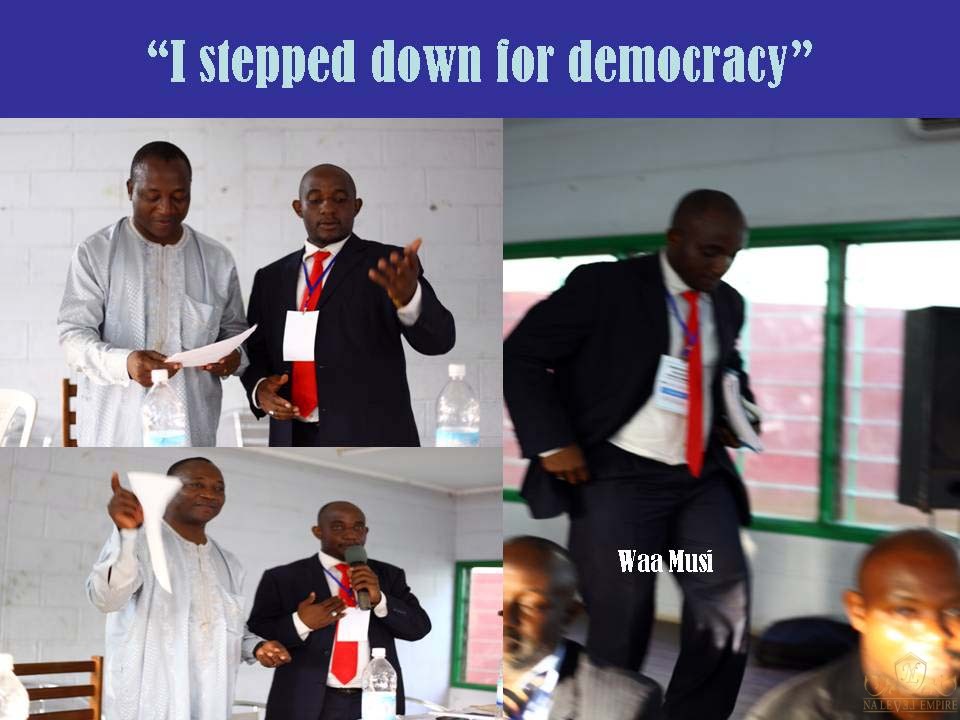
A caretaker committe was set up in Kumba in November that same year and Waa Nkeng Musi was commisioned to organise and setup the six identified guilds which included the Actors Guild, Producers Guild, Directors Guild, Technician Guild, Writers Guild and Marketing and Distribution Guild. He was commisioned alongside zonal coordinators in various identified zones like Bamenda, Kumba, Buea and Yaounde to identify and group registed members within these guilds within a three years lapse. It is important to also note that Moma Pascal Gamih founded CAMAG and incorporated actors into the actors Guild of CFI as part of the objective given to the Musi led goverment in the Kumba convention. This later became a point of contention within the industry which splited the actors into the NAGCAM/ CAMAG divide with NAGCAM proving itself as a syndicate with legalised documents which cant be subdued by another organ thus in August 2014 in a dual extra ordinary general assembly/election in the town of frienship(Limbe), NAGCAM swallowd CAMAG in a unanimous agreement between parties to be the lone organ to represent the actors guild of cameroon under CFI moments before Moma Pascal emerged victorious as the first ever democratically elected actors guild president of CFI in the presence of the CFI then boardchairman Otia Vitalis, some board members including the secretory general Alasambom Nyinchou, the communications officer Tanwie Elvis, Musing Derick and Vugar Samson the founding father of NAGCAM. This beautiful actors union later between parties later part ways after the premature impeachment of Moma Pascal as actors Guild president with huge antagonism on his part decided to withdrew CAMAG from the union till date, leaving NAGCAM as the sole organ responsible for the identification, registration and incoporation of actors into the Actors Guild of CFI. All the above events and attributes has been the elements which has moulded and build every antagonistic tedencies in form of ‘’camps’’ within the industry either directly or indirectly.
The interim body of the Musi led goverment whose mandate was to terminate in three years in November 2011 extended to March 23rd 2013 at the central library in Yaounde when stakeholders glamoured for a change motivated by some individuals insisting about the inability of the interim bureau to meetup with its mandate. It was in the presence of Akim Macaulay the US based CFI representative, Dr Fai Donatus and the then minister Amah Tutu Muna’s representative ; the director of cinema that the Musi lead interim bureau was replaced with Otia Vitalis Suh who happen to be the first ever officially elected boardchar of the Cameroon film industry; whose mandate equally terminated prematurely at the end of his three years reign in March 2016 to give way to Mbeaoh Alex who is few months into his second term since March 2019.
Not leaving out some important contributors prior to the industry’s evolution, there have been some dedicated and daring filmmakers whose direct or indirect contributions has propagated the industry to where it is today in the likes of :- Godlove Neba Nyambi Jr, Molimi Cletus, Angu Elisabeth, Neba Lawrence, Waa Nkeng Musi, Alenne Menget, Ashu Egbe, Njamsi Roland, Itambi Delphine, Amandy Alfred, Akim Macaulay, Awah Oliver, Claude Henry Ndegue, Yibain Emile Chah, Anurine Nwanembom, Elung Brenda Shay, Chatoh collins, Billy Bob Ndive, Princess Manka, Tanko Francoise, Chi Anthony, Enah John Scott, Nkanya Nkwai, Achile Brice, Asaba Ferdinand, Musing Derick, Keka Sylvester, Nsuh George, Elvis Smart, PD Cash, Esua Julius, Nwanna Goffi, Ngongan Matheu/Joe Walkie/Glory M. of blessed memory, Aisha Innoua, Kucha, Akuru Titus, Ala Leo, Agbor steeve (Big steeve), Syndy Emade, Asah Elvis, Akuru Rapheal, Godwin Nganah, Sylvanus Awae, Takong Delvis, Enow Tanjong, Agbor Obed Agbor, Awemu Pius, Ivanne Namme, Alfred Melo and maybe many more not mentioned, its with strengnth and honor to salute their enormous contribution to the industry’s evolution.
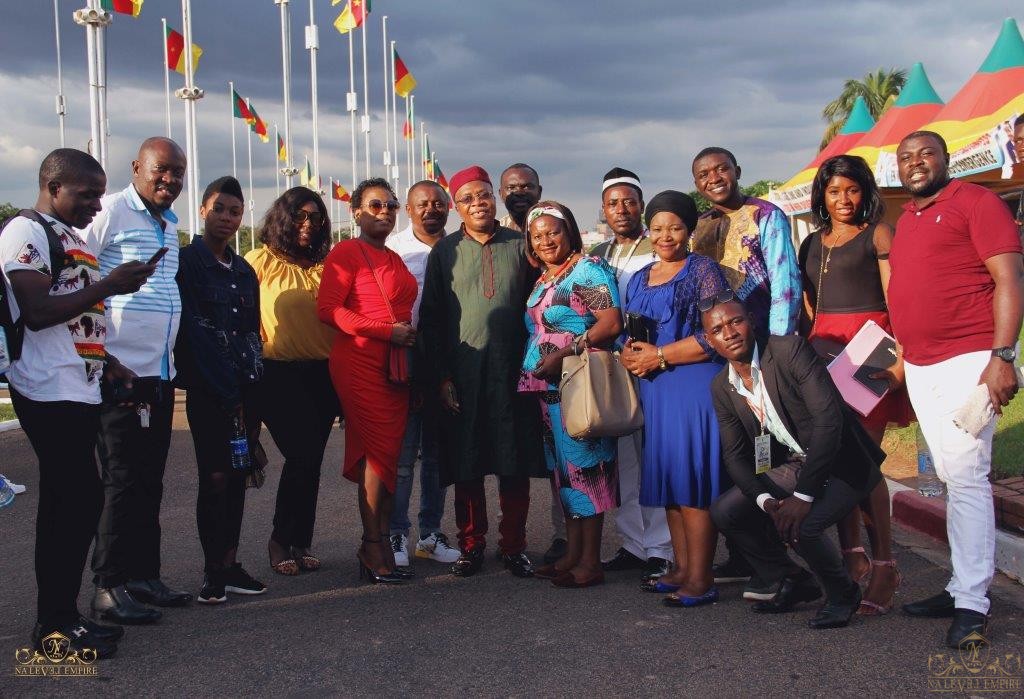
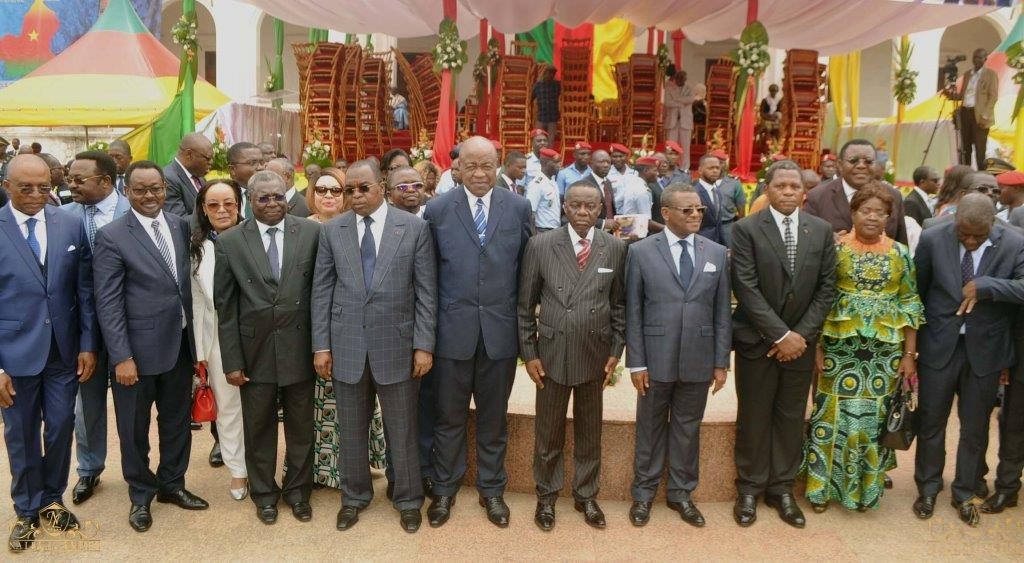
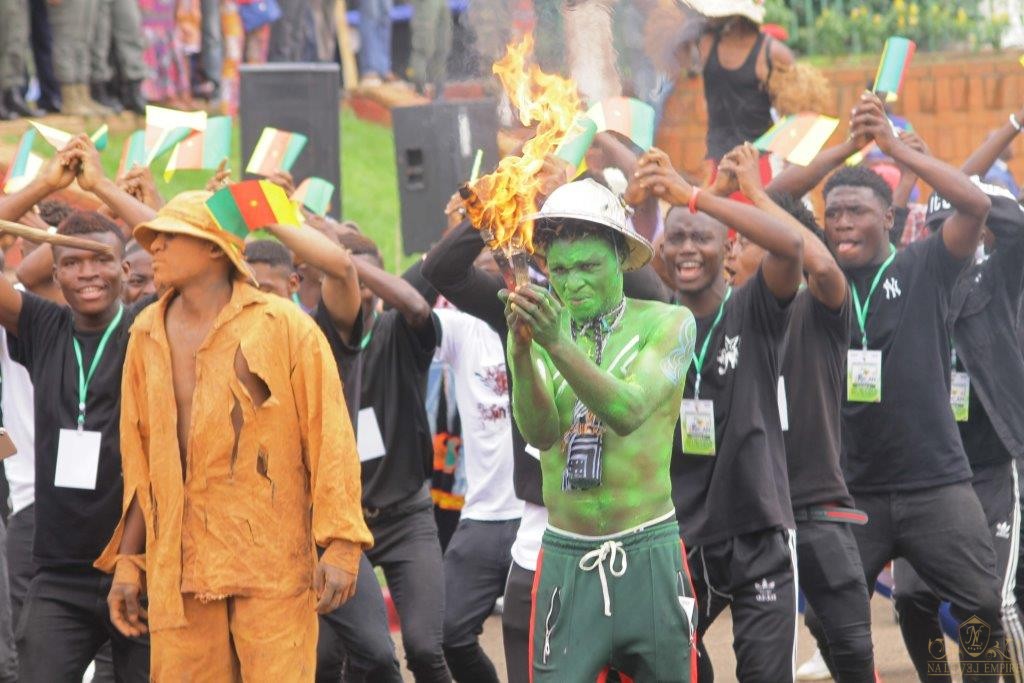
It’s exactly Eleven years three months eleven days from the date of CFI’s creation which coincides to this historic day of the 14th of september 2019 in which the life cycle of the film industry in Cameroon was about to be changed. The very significant and important vanue which is the former Cameroon’s presidency gives a clue about the importance of the ocassion. The lunching of the national artistic and cultural season relunch dubbed RECAN 2019 was an ocassion of the reorganisation of the Cameroon Film Industry (CFI) to better meet up with the needs of local filmmakers through a federated structure meant to facilitate cohision to ease dissemination of information, resouces, capacity building and structuring of the dying sector. This meeting was chaired by Basseck Bakobio assisted by Chop Samuel the current president of SCAAP, the director of Cinema at MINAC and the boardchair of the Cameroon Film industry CFI. On the other hand, apart from the boardchair Mr Mbeaoh Alex who diagnosed the CFI chapter ; Agbor Gilbert Ebot, Takum Fred, Musing Derick and Billy Bob were the voices present to articulate the CFI motion in their respective capacities within the industry.
The bicultural nature of the sector attest to Cameroon’s multicultural potential antagonised the meeting with the anglosaxon film makers dabating contrary to the ten regional approach of federating the sector by convincing the french filmmakers about the need for the sector to retain its bicultural attributes in terms of organisation, culture, language and methodthology in their respective approaches of making films ; insisting that a melange of both systems may not appeal to the parties. The meeting ended on a deadluck immedietly a motion of equal representation was raised about those to be absorbed into a committee to continue with futher delibrations to that effect by the english filmmakers. The meeting chairperson was totally against the motion of equal representation rather opinned that those to constitute the commitee can come from any part of the country not necessery on the basis of equality. The meeting saw it’s last minute in a fiasco with the meeting chairman affirming for an impromptu call for those that will be selected into the commitee to fine tune the meeting’s agenda which couldn’t be exhusted in one sitting.
This meeting came at a period when most of the pioneers or stakeholders of the industry are either at logahead or daggers drawn with each other, probably because of other diverse reasons but important to appreciate the united voice and support they put up with each other while in this very important meeting which is foreseen as the turning point of the film industry in Cameroon. While being hopeful that pioneers and front liners of the industry mobilise and reconcile their diferences to pave the way to the preceeding generations who expect nothing but an examplirary footprint, the powers that be should equally assist these pace setters achieve their goals in this very lucrative industry which has been religated to the back in this country for too long.
Compiled and writen by Tanwie Elvis De dadies